

Table of Contents
Related Services
What Are Eating Disorders?
Eating disorders are severe, complex mental health conditions characterized by dangerous disturbances in eating behaviors and related thoughts and emotions. They are not a lifestyle choice or a phase; they are potentially life-threatening illnesses that require specialized professional intervention.
People with eating disorders often experience an overwhelming, obsessive preoccupation with food, body weight, and body shape. This obsession can completely hijack a person's life, destroying their physical health, emotional well-being, relationships, and ability to function.
At Sunrise Human Care Services, we understand that an eating disorder is rarely just about food. It is often a deeply ingrained coping mechanism for dealing with profound emotional pain, trauma, anxiety, or a need for control. Our psychiatric and therapeutic team works to uncover and heal these root causes while simultaneously helping you normalize your eating behaviors.
Types of Eating Disorders We Treat
We provide outpatient psychiatric care and therapy for various eating disorders. If a patient requires intensive medical stabilization, we will coordinate care with a higher-level facility. Our core outpatient focus includes:
Anorexia Nervosa
Severe food restriction, intense fear of gaining weight, and a distorted body image.
Bulimia Nervosa
Cycles of binge eating followed by purging behaviors (vomiting, excessive exercise, laxatives).
Binge Eating
Consuming large amounts of food in a short period, accompanied by feelings of intense shame and loss of control.
Anorexia Nervosa
Anorexia Nervosa involves an intense, terrifying fear of gaining weight, leading to severe food restriction and a significantly distorted perception of one's own body size and shape. Individuals with Anorexia may view themselves as overweight even when they are dangerously malnourished.
Symptoms and Warning Signs:
- Drastic, noticeable weight loss or inability to maintain a normal weight
- Obsessive counting of calories, fat grams, and nutrition facts
- Skipping meals, making excuses not to eat, or eating only "safe" foods
- Intense anxiety regarding weight gain or being "fat"
- Physical signs: constant feeling of being cold, lethargy, hair loss (thinning), and loss of menstruation in women
Bulimia Nervosa
Bulimia Nervosa is characterized by a devastating cycle: consuming unusually large amounts of food in a short time (bingeing) while feeling a complete loss of control, followed immediately by desperate attempts to avoid weight gain (purging).
Symptoms and Warning Signs:
- Frequent episodes of binge eating in secret
- Purging behaviors: self-induced vomiting, abusing laxatives or diuretics, fasting, or excessive, driven exercise
- Extreme preoccupation with body weight and shape dictating self-worth
- Physical signs: chronic sore throat, swollen salivary glands (chipmunk cheeks), worn tooth enamel, and severe dehydration
Binge Eating Disorder (BED)
Binge Eating Disorder is the most common eating disorder in the United States. Like Bulimia, it involves frequent episodes of consuming very large amounts of food while feeling out of control. However, unlike Bulimia, these binges are not followed by purging behaviors.
Symptoms and Warning Signs:
- Eating rapidly during binge episodes, often until uncomfortably full
- Eating large amounts of food even when not physically hungry
- Eating alone or in secret due to deep embarrassment
- Feeling intense shame, guilt, depression, or disgust with oneself after bingeing
Compassionate Eating Disorder Treatment in Darby, PA
At Sunrise Human Care Services, we provide vital psychiatric support, medication management, and therapy for individuals battling eating disorders. Located at 869 Main Street in Darby, we serve the Delaware County community with empathy and expertise.
100% Medicaid Acceptance
We exclusively accept Medicaid to ensure specialized psychiatric care is accessible to everyone in our community.
Communities We Serve
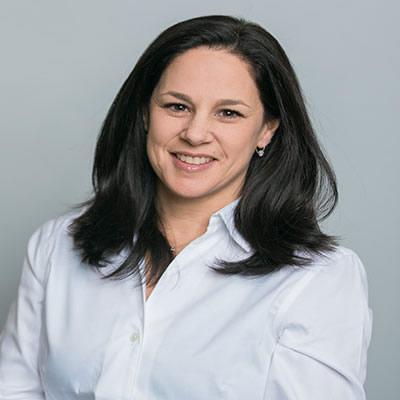
Holli O'Donnell, Licensed Mental Health Professional
Holli O'Donnell is a dedicated mental health professional at Sunrise Human Care Services, specializing in the diagnosis and evidence-based treatment of eating disorders and body image concerns.
Last Updated: August 28, 2026
Frequently Asked Questions
Warning signs include a severe preoccupation with weight, food, calories, and body image; restrictive eating or skipping meals; frequent episodes of binge eating; purging behaviors (like vomiting or excessive exercise); and intense body dissatisfaction. If these thoughts and behaviors interfere with daily life, it is time for a professional assessment.
We provide outpatient psychiatric care and therapy for eating disorders. However, severe Anorexia Nervosa often requires intensive medical stabilization or inpatient care if a patient is medically compromised. We conduct thorough assessments to determine the appropriate level of care and will coordinate with specialized inpatient facilities if necessary.
Yes, psychiatric medication can be an important component of treatment, particularly for Binge Eating Disorder or Bulimia Nervosa, and to treat co-occurring conditions like Depression, Anxiety, or OCD that frequently accompany eating disorders. Our psychiatric team carefully manages medications to support your overall recovery.
Recovery from an eating disorder is typically a gradual, long-term process that varies based on the severity of the condition and individual needs. It requires consistency, patience, and a comprehensive approach. Many people require months to years of support to achieve full, sustainable recovery and a healthy relationship with food.
Absolutely. While it is a challenging journey, many people achieve full recovery with the right professional support. Recovery involves normalizing eating behaviors, addressing the underlying emotional pain or trauma, and fundamentally changing how you view and value your body.
Start your recovery within 24 hours.
You shouldn't have to wait months for professional support. Our Darby clinical team is ready to respond to your request by the next business day. 100% confidential. Medicaid accepted.
Contact Info
Hours:
Mon - Fri, 9 AM - 5 PM